When Survival Becomes a Prison
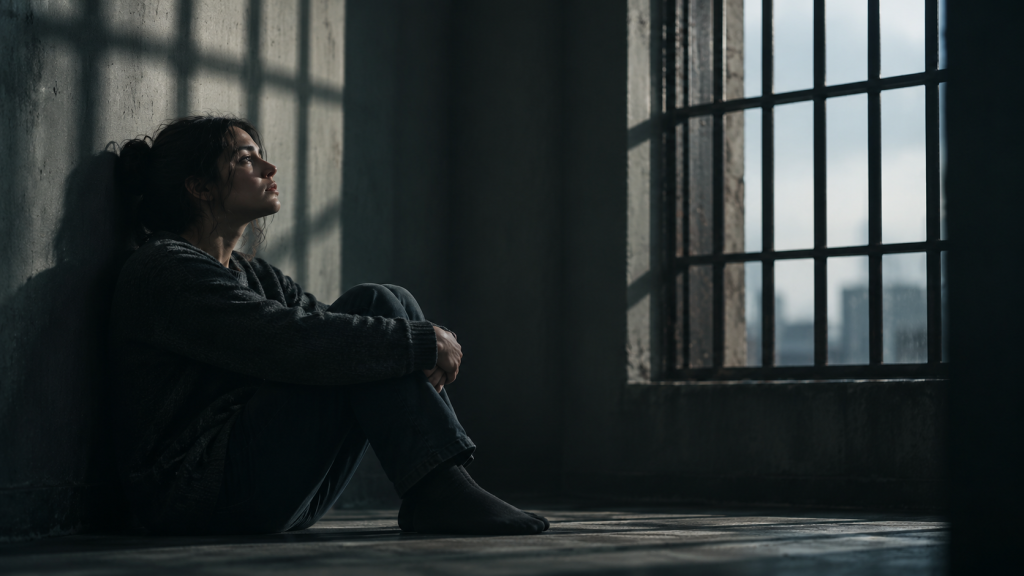
Surviving the past does not always mean escaping it.
In He Called Me Ahab, Patricia Jolls reveals how pain can follow a person long after the original wounds are hidden from view. Her story moves beyond childhood into adulthood, where fear, grief, unhealthy relationships, alcohol, drugs, and difficult choices begin shaping a new kind of struggle.
Patricia becomes a wife and mother and faces losses that leave lasting marks. At different points, substances become a way of escaping feelings she does not know how to manage. What may once have seemed like relief gradually becomes another form of confinement.
One of the memoir’s strongest qualities is Patricia’s willingness to examine herself as honestly as she examines the people who hurt her. She does not describe herself only as a victim of circumstance. She also looks directly at the pain her own behavior caused within her family. That honesty gives her recovery greater weight.
Change begins when she stops accepting destruction as inevitable. Faith becomes central, and recovery means more than giving up drugs, cigarettes, and alcohol. It requires confronting guilt, changing her thinking, and choosing a different way to live.
Her life does not become perfect overnight.
But the direction changes.
He Called Me Ahab becomes a story about the difficult distance between surviving and truly becoming free.